
Getting ready for surgery
What to do in the weeks, days and hours before an operation, and what to arrange for afterwards.
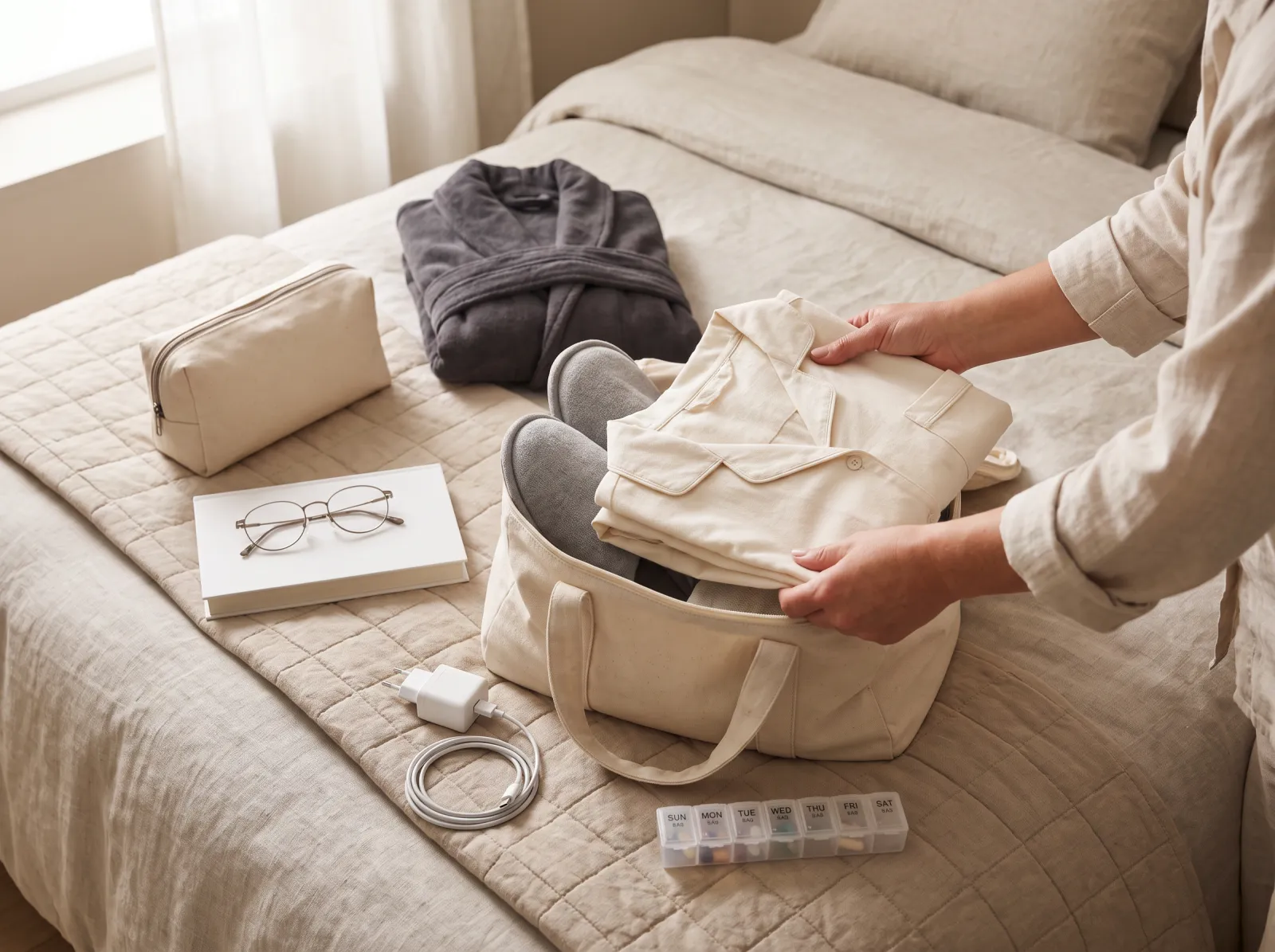
A little preparation makes surgery safer and recovery easier. Your surgeon and anaesthetist will give you instructions for your own case, and those always come first. This is the general picture.
In the weeks before
- Tell your surgeon about every medicine you take, including blood thinners, diabetes medicine, herbal remedies and supplements. Some need to be stopped or adjusted.
- Stop smoking. Even a few weeks without cigarettes lowers the risk of chest and wound problems.
- Have the blood tests, ECG or scans your doctors ask for.
- Ask for an estimate, confirm your insurance cover and arrange your deposit.
- Arrange for an adult to take you home and stay with you for the first night.
The day before
- Follow your fasting instructions exactly. A common rule is no food for six hours before surgery and only clear fluids until two hours before, but use the times your anaesthetist gives you.
- Bathe or shower. Don’t shave the area to be operated on.
- Remove nail polish, make-up and jewellery, including piercings.
- Pack your bag, and leave valuables at home.
On the day
- Take only the medicines you’ve been told to take, with a sip of water.
- Bring your ID, health card, medicine list and any scans.
- You’ll be asked your name, date of birth and what operation you’re having several times. This is deliberate. Every check is a safety step.
- Your surgeon will mark the site of the operation where that applies, and you’ll sign a consent form. Ask anything you’re unsure of first.
Afterwards
You’ll wake in the recovery area with a nurse beside you. Tell them if you’re in pain or feel sick, because both can be treated. Before you go home you’ll get instructions on wound care, medicines, eating, activity and the signs that mean you should call your doctor.