When to come to A&E
Come to Accident & Emergency for problems that can’t wait: chest pain, trouble breathing, a serious injury, heavy bleeding, signs of a stroke, a high fever in a young baby, or pain that is sudden and severe.
If someone can’t safely travel, call 110 for an ambulance. For less urgent problems, our Outpatient Department or your own doctor may be the better place to start.
Heart emergencies
Since January 2025 the hospital has had its own cardiac catheterization lab, so many heart problems can be investigated and treated on site instead of after a transfer.
What happens when you arrive
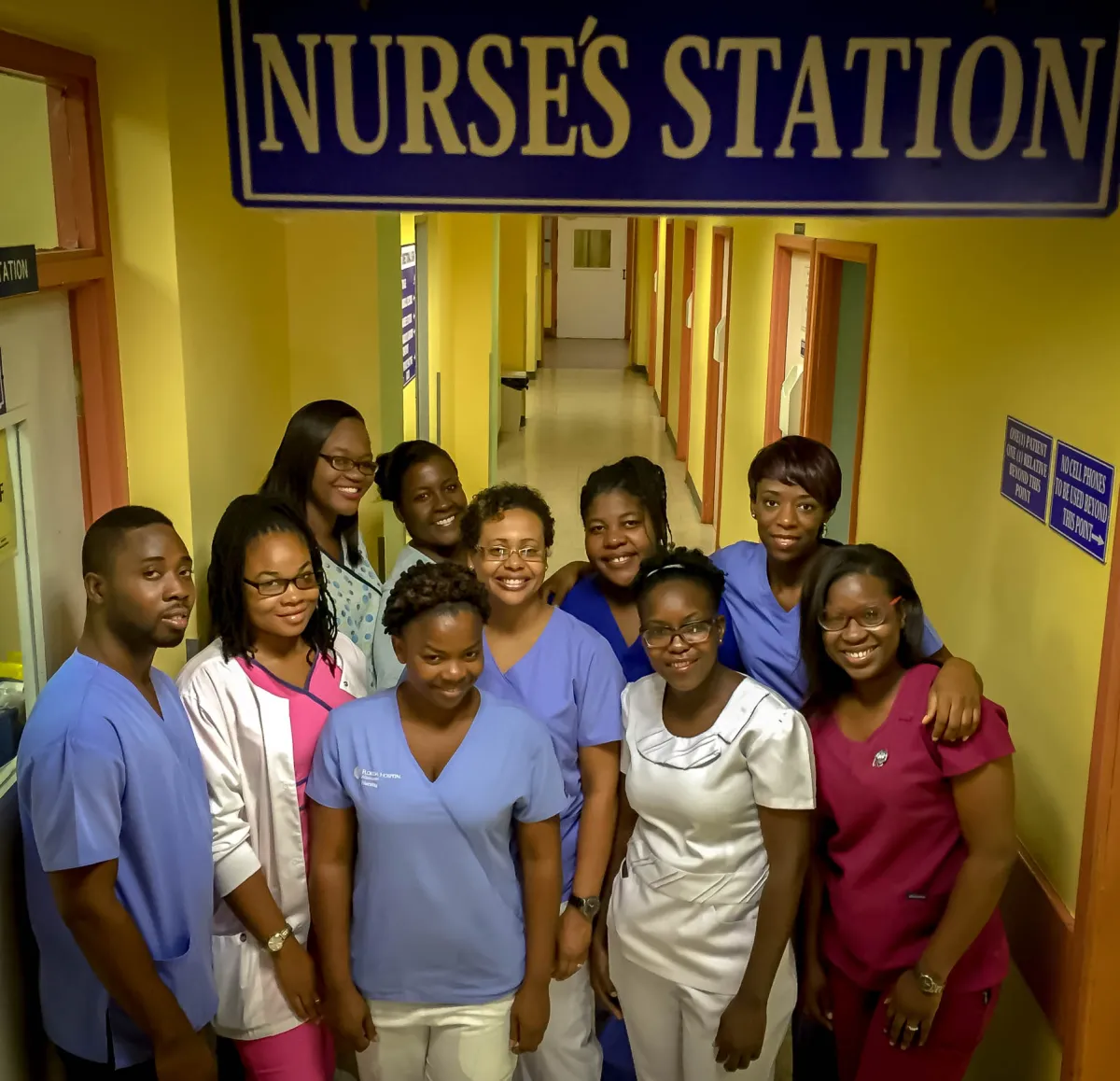
A nurse sees you first and decides how urgent your condition is. This is called triage. The sickest patients are seen first, so someone who arrived after you may go in before you. If you feel worse while you wait, tell the nurse straight away.
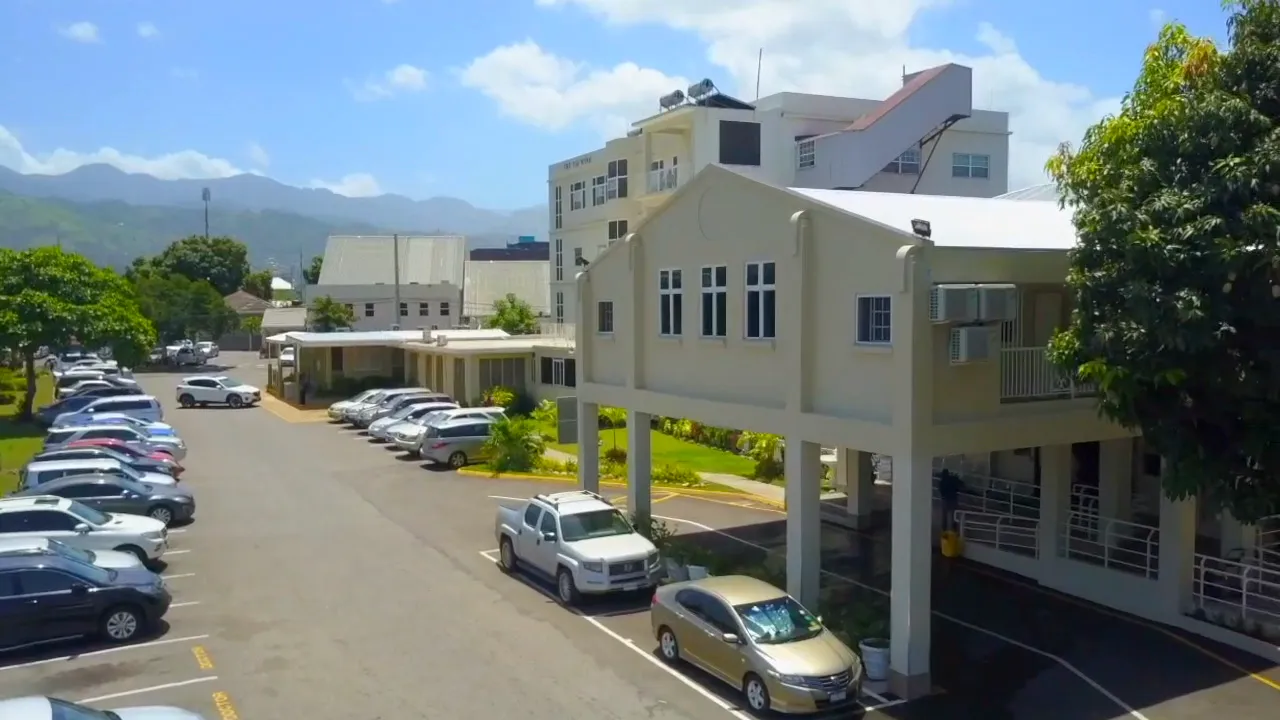
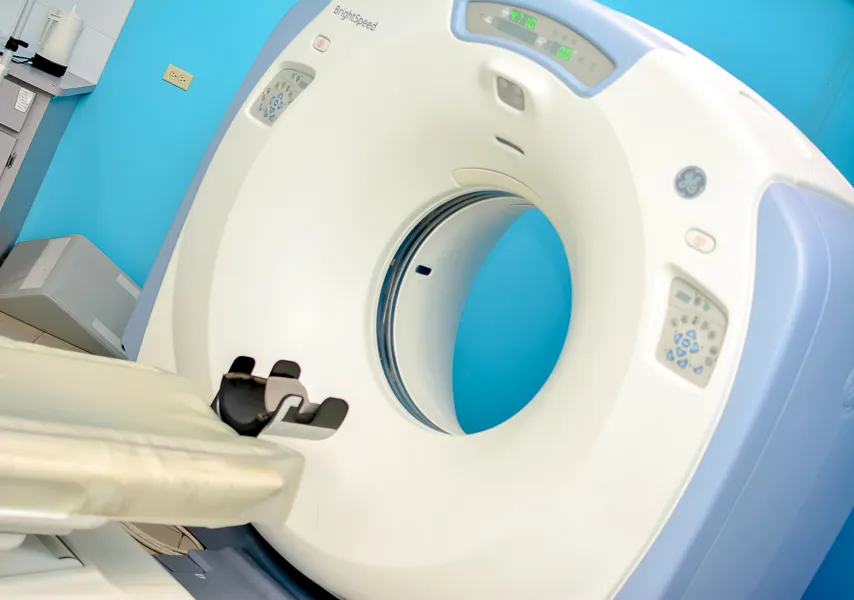
After the doctor has examined you, you may have blood tests, an X-ray or a scan. The laboratory and Imaging are on the same grounds. You’ll then be treated and sent home, or admitted to a unit.
What to bring, if you can
Don’t delay coming because you can’t find these. In an emergency, come first and sort out the paperwork later.
- Photo ID and your health insurance card
- A list of the medicines you take, or the medicines themselves
- The name of your regular doctor
- For a child, the immunisation card
Emergency numbers
- Ambulance and fire: 110
- Police: 119
- Andrews Memorial Hospital: (876) 926-7401