Heart attack: the warning signs
What a heart attack feels like, how it can differ in women, and what to do while help is on the way.
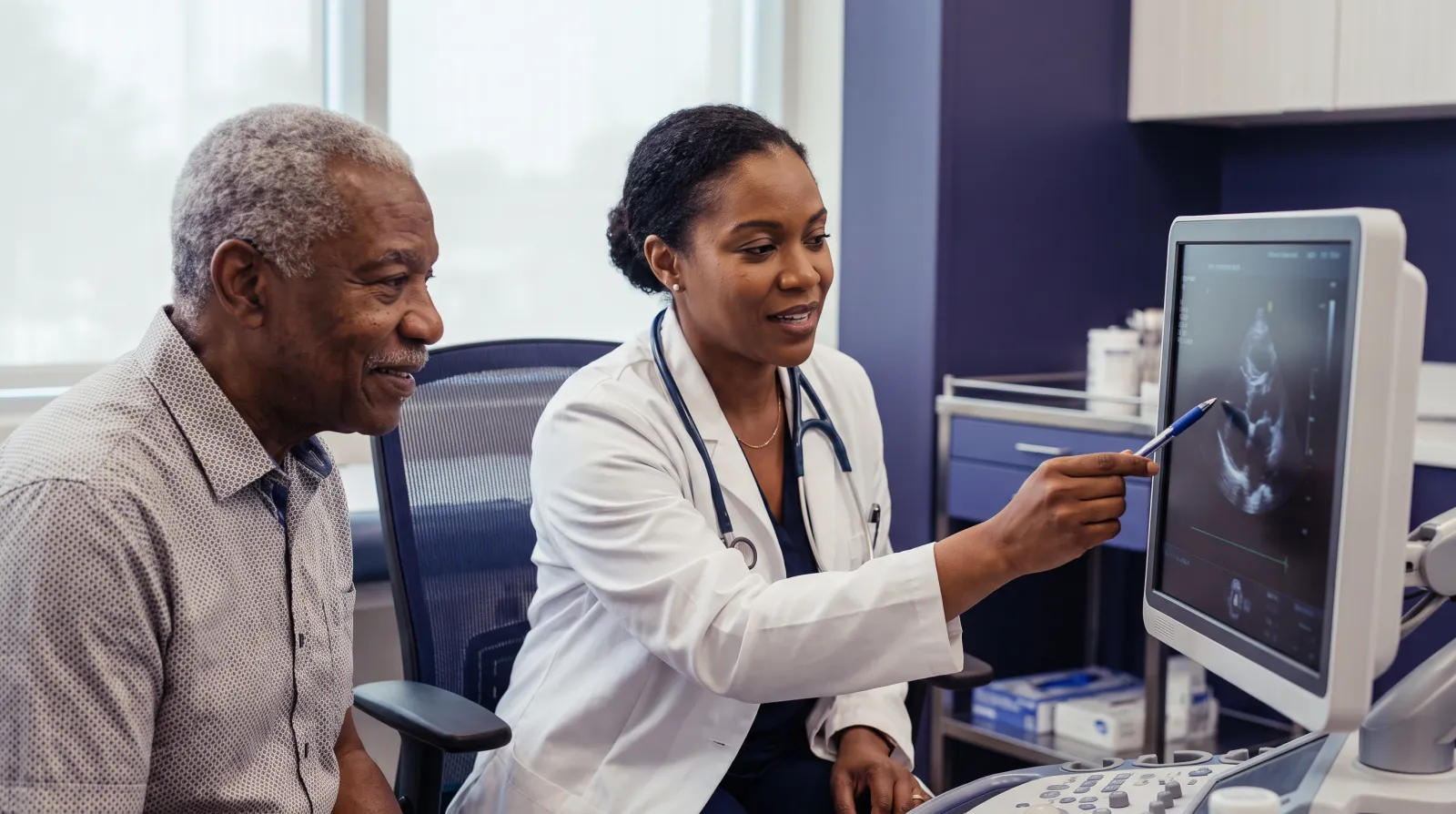
A heart attack happens when an artery that feeds the heart muscle becomes blocked. The sooner the artery is opened, the less muscle is lost. Many people wait hours before getting help because the pain isn’t what they expected.
What it can feel like
- Pressure, squeezing or heaviness in the centre of the chest that lasts more than a few minutes, or goes away and comes back
- Pain that spreads to one or both arms, the neck, jaw, back or stomach
- Shortness of breath
- A cold sweat, nausea or vomiting
- Feeling light-headed or suddenly very tired
It isn’t always chest pain
Women, older people and people with diabetes are more likely to have a heart attack without the classic crushing chest pain. Breathlessness, unusual tiredness, nausea, or an ache in the back or jaw may be the only signs. If something feels badly wrong, treat it as an emergency.
What to do
Call 110 for an ambulance or get to the nearest emergency department. Don’t drive yourself.
Sit down and rest. Loosen tight clothing.
If you have aspirin and aren’t allergic to it, chew one adult tablet.
If the person collapses and isn’t breathing, start chest compressions and keep going until help arrives.