Hurricane season: a health checklist
Medicines, water, documents and a plan. What to put in place before a storm if someone at home depends on regular care.
The Atlantic hurricane season runs from June 1 to November 30. Hurricane Melissa in October 2025 showed how quickly roads, power and pharmacies can be cut off. If someone in your home has a long-term condition, a little planning now can prevent an emergency later.
Before the season
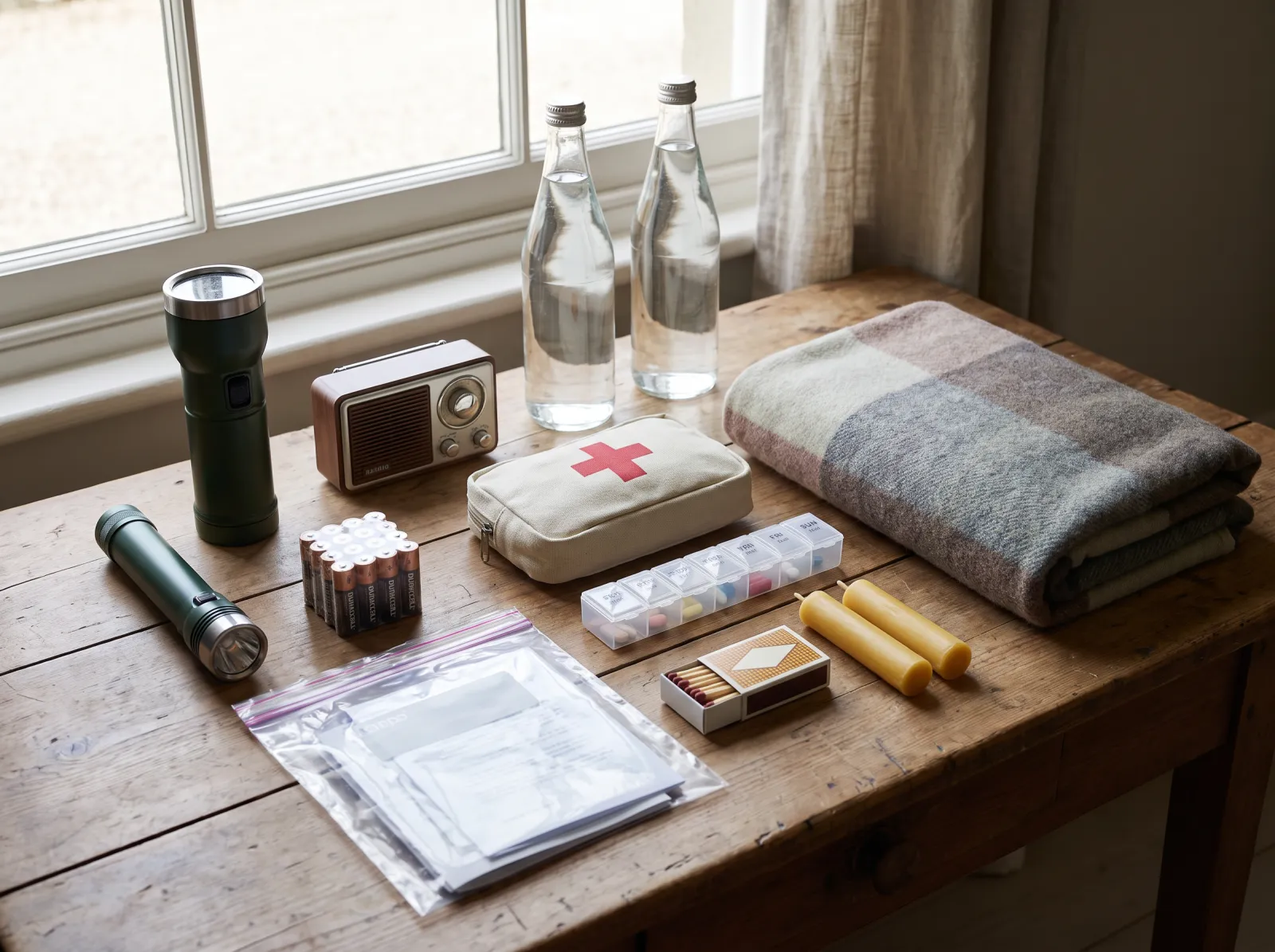
- Keep at least two weeks of every regular medicine in the house, and refill before you run low.
- Write down each medicine, the dose, your doctors’ names and phone numbers, and your blood type and allergies. Keep a copy in a sealed plastic bag and a photo on your phone.
- If you use insulin, have a small cooler and ice packs ready. Insulin should be kept cool but never frozen.
- If you depend on oxygen, dialysis or powered equipment, ask your provider now what the plan is when the power goes out.
- Store drinking water: about one gallon for each person each day, for at least three days.
- Stock a first aid kit, a torch, batteries, a battery radio and a charged power bank.
- Pregnant and close to your due date? Talk to your obstetrician about where to go if a storm is approaching.
After the storm
- Boil drinking water for at least one minute, or add two drops of plain household bleach to each litre and let it stand for 30 minutes.
- Throw away food that has touched flood water, and refrigerated food that has been without power for more than four hours.
- Stay out of flood water where you can. It can carry leptospirosis and other infections. Wear boots and gloves for clean-up, and cover cuts.
- Empty standing water around the yard every few days so mosquitoes can’t breed.
- Run generators outdoors, well away from windows. The fumes can kill.
- See a doctor for fever, a deep or dirty wound, or diarrhoea that lasts more than a day or two.
Looking after your mind
Feeling anxious, low or unable to sleep after a disaster is normal. Talk to someone you trust. If the feelings don’t ease, speak to your doctor or call the Ministry of Health and Wellness helpline at 888-NEW-LIFE (888-639-5433).